
%201.webp)
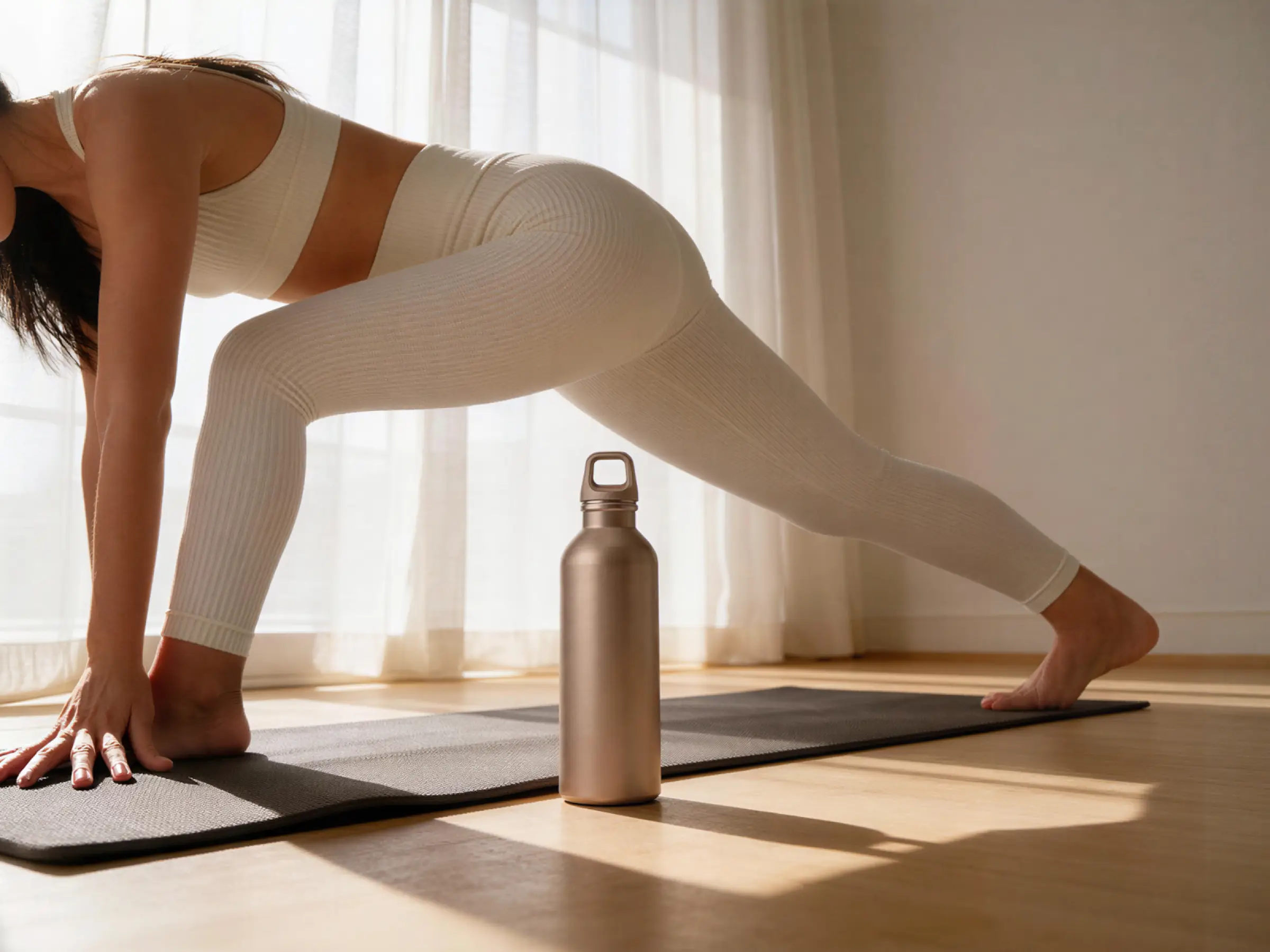
Starting yoga for the first time can feel both exciting and intimidating. Many beginners believe they need to be flexible, experienced, or physically fit before joining a class or practicing at home. In reality, yoga is designed for everyone, regardless of age, experience level, or fitness background. Yoga is not about perfection or performance. It is about building a stronger connection between body and mind through movement, breathing, and mindfulness.
One of the reasons yoga has become so popular is because it offers benefits that go beyond physical fitness. Regular practice can improve flexibility, strength, balance, posture, focus, and emotional well-being. Many people also use yoga as a way to reduce stress and create moments of calm within busy daily routines.
For beginners, one of the most important things to remember is to start slowly. There is no need to rush into advanced poses or long sessions. Building a consistent and comfortable routine is far more important than intensity. Even practicing for ten or fifteen minutes a day can create noticeable improvements over time.
Creating a comfortable practice space can help make yoga feel more enjoyable. This space does not need to be large or expensive. A yoga mat, comfortable clothing, and a quiet area with minimal distractions are often enough to begin. The goal is to create an environment where you can focus and move comfortably.
Breathing is one of the most essential parts of yoga. Many beginners focus only on the physical poses, but breathing helps connect movement with mindfulness. Slow and controlled breathing encourages relaxation, improves focus, and supports better body awareness during practice.
There are many different styles of yoga available, and each offers unique benefits. Gentle yoga and beginner flow classes are often ideal starting points because they focus on foundational poses and slower movement. Restorative yoga is another good option for individuals looking for relaxation and stress relief.
Listening to your body is extremely important during yoga practice. Yoga should not feel painful or forced. Every individual has different levels of flexibility and mobility, and progress happens gradually. Comparing yourself to others can create unnecessary pressure and take away from the experience. Yoga is a personal journey that develops over time.
Consistency is one of the keys to building confidence in yoga. Practicing regularly helps improve strength, flexibility, balance, and overall comfort with movement. Small improvements become noticeable with patience and repetition. Over time, poses that once felt difficult often become more natural and stable.
Yoga also encourages mindfulness and self-awareness. During practice, attention shifts away from distractions and toward breathing and movement. This helps calm the mind and create a stronger connection with the present moment. Many people find that yoga improves not only physical health but also emotional balance and mental clarity.
Technology has made yoga more accessible than ever before. Online classes, wellness apps, and guided videos allow beginners to learn at their own pace from home. This flexibility helps people practice comfortably without feeling pressured or intimidated.
One of the biggest misconceptions about yoga is that flexibility is required to begin. In reality, yoga helps develop flexibility over time. Every practitioner starts at a different point, and improvement happens gradually through consistency and patience.
Yoga is also a valuable tool for stress management. Modern life often feels overwhelming, and many people struggle to slow down and rest mentally. Yoga creates intentional moments of calm through movement and breathing. Even short sessions can help reduce tension and improve emotional well-being.
As yoga becomes part of a regular routine, many people notice benefits that extend beyond the mat. Improved posture, better sleep, increased energy, reduced stress, and stronger self-awareness are just a few of the positive effects associated with consistent practice.
Ultimately, starting yoga is not about achieving perfection or mastering advanced poses. It is about creating a practice that supports your overall well-being in a sustainable and enjoyable way. With patience, consistency, and an open mindset, yoga can become a powerful tool for improving both physical and mental health.